Prosthodontist Spring, TX
The planning and commissioning of a complete smile makeover may necessitate a team of several dental professionals. More often than not, that team is headed by a prosthodontist. A prosthodontist focuses primarily on the restoration and replacement of missing or damaged teeth and creating functional, natural-looking smiles for patients.
A prosthodontist is available at Smile 1 Dental and Orthodontics in Spring and the surrounding area. Though much of what we do involves repairing and replacing teeth with a variety of removable or fixed prosthetic options, our team also corrects issues stemming from the lips, gums, and facial features. Ultimately, we strive to restore or preserve dental function, appearance, and health through proper diagnosis, treatment planning, restoration, and maintenance.
Whether you want to improve comfort and functionality, desire a more attractive smile, or both, a prosthodontist is the professional for you. Our entire staff stands ready to answer your questions and address any concerns. Call (713) 804-7644 to schedule a consultation with Smile 1 Dental and Orthodontics and the team today.
Prosthodontics Explained
The American College of Prosthodontics defines the term as a dental specialty responsible for the diagnosis, treatment planning, rehabilitation, and maintenance of the oral function, comfort, appearance, and health of patients with clinical conditions. These conditions are associated with missing or deficient teeth or oral and maxillofacial tissues. Prosthodontists have the specialized training and experience in providing treatments that restore both aesthetic and oral function.
Possible treatments for restoring missing or deficient teeth include bone grafts, dental bonding, prosthetics, and cosmetics. Each treatment comes with its own set of advantages and disadvantages, which are explained after the initial consultation appointment. Thoroughly examining the patient allows our team to give a proper diagnosis and recommend treatments that work for their condition.
“They are specially trained and experienced in providing treatments that restore both aesthetic and oral function.”
Board-Certified Prosthodontists
Many prosthodontists choose to seek board certification to set them even further apart from other dental professionals. This designation demonstrates a commitment to lifelong learning and ethical practices. Board certification also shows that the professional values the patient-doctor relationship and is devoted to advancing restorative dentistry.
To obtain board certification, a prosthodontist must successfully pass the American Board of Prosthodontics' four-part examination. The ABP requires certified professionals to undergo the recertification process every eight years to ensure they are current on best restorative practices.
“Many prosthodontists choose to seek board certification to set them even further apart from other dental professionals.”
Symptoms and Signs
There are a variety of common symptoms and signs that indicate a patient may need a prosthesis. The first and most common sign is missing or defective teeth. Symptoms of a defective tooth include pain, sensitivity, bad breath, bad taste, swelling, and bumps under the gums. Patients experiencing such symptoms should immediately seek dental care.
Defective teeth are often a result of injury or trauma but are also commonly caused by poor oral hygiene. Patients with untreated tooth decay, or cavities, are more likely to acquire an infection and, in severe cases, a defective tooth. We will examine the tooth and surrounding area during the consultation appointment and discuss whether extraction is necessary prior to prosthodontic treatment.
“Symptoms of a defective tooth include pain, sensitivity, bad breath, bad taste, swelling, and bumps under the gums.”
Check out what others are saying about our dental services on Yelp: Prosthodontist in Spring, TX
Treatments Covered by Prosthodontics
Each prosthodontist will vary in the treatments they offer. The Institute of Medical Sciences and Research Centre lists the treatments included under the branch of prosthodontics:
- Complete dentures: full set of artificial teeth
- Removable or fixed partial dentures: a set of teeth close together
- Overdentures: attach healthy teeth to artificial teeth
- Immediate dentures: placed immediately after an extraction
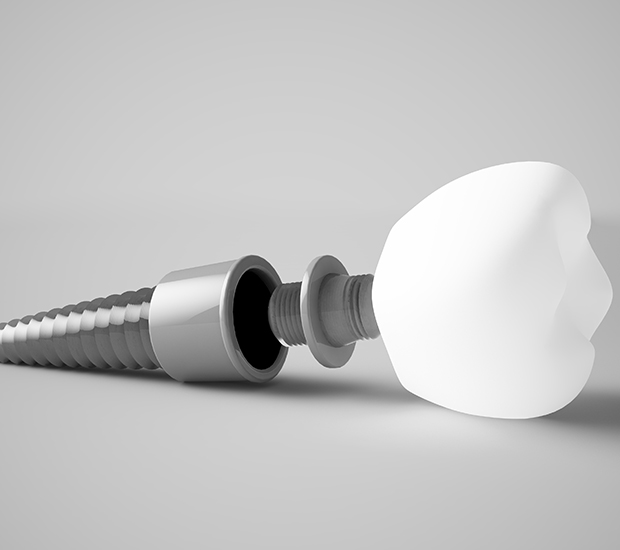
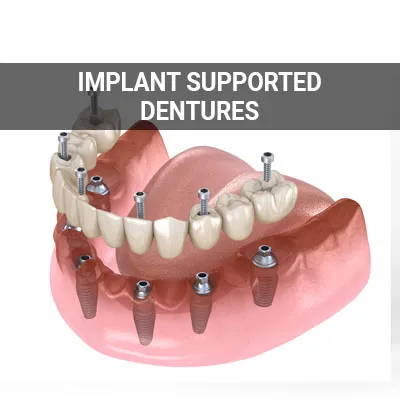
- Implants: artificial tooth roots implanted into the jawbone used as an attachment for a prosthetic
- Full mouth reconstruction: a combination of treatments done to completely restore aesthetic and oral function
- Maxillofacial prosthodontics: treatments for defects in the head and neck
- Aesthetic prosthodontics: treatments primarily done for aesthetic purposes
- Gnathology: treatment of temporomandibular joint and other related disorders
In some cases, only one or a few options will work for a patient due to conditions, medications, or complications they may have. Possible treatment options for each patient are discussed during the consultation appointment, and patients will be able to choose the one that works best for them.
“Possible treatment options for each patient are discussed during the consultation appointment, and patients will be able to choose the one that works best for them.”
Questions Answered on This Page
Q. How can a prosthodontist become board-certified?
Q. How fixed prosthodontics vs. removable prosthodontics are different?
Q. What symptoms and signs indicate a patient may need a prosthesis?
Q. What treatments are covered by prosthodontics?
Q. What reconstructive dentistry options exist?
People Also Ask
Q. What should I do if I lose teeth?
Q. What are the benefits of dental implants?
Q. Why are dentures a preferred treatment?
Q. How can I prepare for my first implant procedure?
Q. When is bone grafting necessary?
Q. What should I know about post-procedure care and adjusting to a healthy life?
Reconstructive Dentistry
Reconstructive, or restorative, dentistry refers to the practice of replacing missing or damaged teeth and falls under prosthodontics. Reconstructive dentistry includes full mouth reconstruction and other aesthetic and functional treatments for one or more missing teeth. Reconstruction is often necessary as it can help:
- Fill empty spaces in the mouth, keeping the teeth in proper alignment
- Replace teeth, making it easier to maintain good oral care habits and help prevent plaque build-up
- Improve patient health, appearance, and self-esteem
Reconstructive treatments can be done by a prosthodontist, dentist, or reconstructive dental professional. Treatment options include fillings, crowns, bridges, and implants. Reconstructive dentistry focuses primarily on both restoring aesthetic and oral function as well as reconstructing the mouth to prevent further dental complications from arising.
“Reconstructive, or restorative, dentistry refers to the practice of replacing missing or damaged teeth and falls under prosthodontics.”
Frequently Asked Questions
Q. Why should I seek a prosthodontist instead of a general dentist?
A. It is wise to choose a prosthodontist for reconstructive or restorative dental concerns as they are specially trained to provide treatment for missing and damaged teeth. They will also likely have special tools and equipment designed for prostheses and can better treat more complex cases. A general dentist may refer their patient to a prosthodontist when the need arises.
Q. How can I properly care for my restored teeth?
A. Patients with dental restorations can keep their teeth healthy using a lifelong recall and maintenance approach, reducing the risk for failure of tooth and implant-borne restorations.This approach poses that patients who schedule and meet their routine checkups and follow-up appointments, especially when feeling symptoms, and regularly maintain their oral hygiene as well as take care of all treatments immediately are more likely to keep their prosthesis and teeth healthy.
Q. How often are follow-up appointments for prosthodontic treatments?
A. We recommend patients schedule follow-ups every six months to clean, adjust, repair, or replace their restorations. We ensure the prosthesis is working properly during these routine examinations and is not affecting any surrounding teeth, bone, or gums. Routine follow-ups are the best way to maintain your prosthesis and keep your oral cavity healthy post-treatment.
Q. Are there any special home-care tips for restored teeth?
A. Patients with restored teeth should take extra precautions and practice thorough oral hygiene habits to keep their mouth well-maintained. Brush teeth with a fluoride toothpaste at least twice a day, floss at least once a day, use a mouthwash recommended by your prosthodontist, wear a night guard (if recommended by your prosthodontist) to protect your restorations, and avoid smoking or chewing tobacco and high-sugar or high-acid foods and beverages.
Q. How can I prepare for prosthodontic treatment?
A. During the initial consultation appointment, Smile 1 Dental and Orthodontics will explain the chosen treatment in detail, ensuring the patient knows what to expect on the day of their procedure. We recommend patients sleep well the night before, brush and floss, and come in early to the appointment, which can help greatly reduce anxiety or fear.

Scan here to view this page, Prosthodontist, on mobile
Prosthodontist Terminology
Call Us Today
Prosthodontics can bring your smile back. We at Smile 1 Dental and Orthodontics can help. Call us today at 713-804-7644 to schedule an appointment or learn more about our services.
Helpful Related Links
- American Dental Association (ADA). Glossary of Dental Clinical Terms. 2026
- American Academy of Cosmetic Dentistry® (AACD). Home Page. 2026
- WebMD. WebMD’s Oral Care Guide. 2026
About our business and website security
- Smile 1 Dental and Orthodontics was established in 2023.
- We accept the following payment methods: American Express, Cash, Check, Discover, MasterCard, and Visa
- We serve patients from the following counties: Harris County and Montgomery County
- We serve patients from the following cities: Spring, Houston, Cypress, The Woodlands, Shenandoah, Magnolia, Tomball, Porter, Porter Heights, Panther Creek, North Spring, Humble, IAH Airport Area, Indian Springs, Pinehurst, Kingswood, Atascocita and Klein
- National Provider Identifier Database (1447460969). View NPI Registry Information
- Norton Safe Web. View Details
- Trend Micro Site Safety Center. View Details

Scan here to open directions to Smile 1 Dental and Orthodontics on mobile
Back to top of Prosthodontist
Related Posts

Welcome To Smile 1 Dental And Orthodontics
We are committed to providing quality service to residents located In the Spring, TX area. Our website has additional information about the following topics: Dentist, Cosmetic Dentist, General Dentist, Family Dentist, Emergency Dentist, Pediatric Dentist, Orthodontist, Dental Implants, All-on-4 and Implant Supported Dentures.
Explore additional topics covered on our website:
Call Us Today

Scan here to call Smile 1 Dental and Orthodontics on mobile