
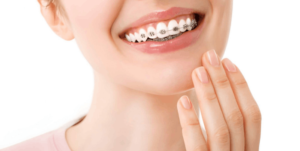
A straight smile is often associated with confidence and aesthetics, but what many people don’t realize is that orthodontic treatment plays a powerful role in improving your overall oral health. Beyond aligning teeth, orthodontics helps create an environment where your teeth and gums can truly thrive.
If you’ve ever struggled with flossing between crowded teeth or noticed gum irritation around misaligned areas, orthodontic care might be the solution you didn’t know you needed. In this guide, we’ll explore how orthodontics supports better oral hygiene, protects your gums, and contributes to long-term dental wellness.
What Is Orthodontics and Why It Matters for Oral Health
Orthodontics is a specialized branch of dentistry focused on correcting misaligned teeth and jaw issues. While many people seek treatment for cosmetic reasons, the health benefits are just as important if not more.
When teeth are crooked, crowded, or spaced improperly, they create hard-to-reach areas where plaque and bacteria can accumulate. Over time, this buildup can lead to tooth decay, gum inflammation, and even periodontal disease.
By correcting alignment issues, orthodontics makes it easier to maintain proper oral hygiene, ultimately reducing the risk of serious dental problems.
How Misaligned Teeth Affect Oral Hygiene
1. Difficult-to-Clean Areas
Crowded or overlapping teeth create tight spaces that are nearly impossible to clean thoroughly with regular brushing and flossing. Food particles and plaque get trapped, increasing the risk of cavities.
2. Increased Plaque and Tartar Buildup
When plaque isn’t removed effectively, it hardens into tartar. This buildup can only be removed by a dental professional and often leads to gum irritation.
3. Higher Risk of Tooth Decay
Misalignment creates uneven surfaces where bacteria thrive, making teeth more vulnerable to decay.
4. Gum Inflammation and Bleeding
Poor oral hygiene caused by misaligned teeth can lead to gingivitis, the earliest stage of gum disease, characterized by red, swollen, and bleeding gums.
The Connection Between Orthodontics and Gum Health
Healthy gums are the foundation of a healthy smile. Orthodontic treatment helps protect and improve gum health in several important ways.
1. Reduces Gum Disease Risk
Straight teeth are easier to clean, which means less plaque accumulation along the gumline. This significantly lowers the chances of developing gum disease.
2. Prevents Uneven Gum Wear
When teeth are misaligned, certain areas of the gums may experience excessive pressure, leading to gum recession. Orthodontics helps distribute biting forces evenly, protecting the gums.
3. Improves Gum Fit Around Teeth
Properly aligned teeth allow gums to fit more snugly around each tooth, creating a stronger barrier against bacteria.
How Orthodontic Treatments Improve Oral Hygiene
Orthodontic treatments are designed not only to straighten teeth but also to create a healthier oral environment.
Traditional Braces
Braces gradually move teeth into proper alignment using brackets and wires. While they require extra care during treatment, the long-term benefits include improved accessibility for brushing and flossing.
Clear Orthodontic Options
Modern solutions like clear aligners offer a more flexible approach. Because they are removable, patients can maintain their regular oral hygiene routine more easily compared to fixed appliances.
Retainers and Maintenance
After treatment, retainers help maintain alignment and prevent teeth from shifting back, ensuring that your improved oral hygiene is long-lasting.
The Long-Term Benefits of Orthodontics for Oral Health
Orthodontic care is an investment that pays off for years to come. Here’s how it contributes to lasting oral health:
1. Easier Daily Cleaning
Straight teeth simplify brushing and flossing, making it easier to maintain a consistent oral hygiene routine.
2. Reduced Risk of Cavities
With fewer places for plaque to hide, your teeth are less likely to develop decay.
3. Healthier Gums
Proper alignment reduces inflammation and supports strong, healthy gums.
4. Better Overall Health
Oral health is closely linked to overall health. By preventing gum disease, orthodontics may also reduce the risk of systemic conditions linked to oral bacteria.
Expert Insight: Why Early Orthodontic Care Matters
From a professional standpoint, early intervention can make a significant difference. Dentists often recommend an orthodontic evaluation for children by age 7. Identifying alignment issues early allows for more effective and less invasive treatment.
However, it’s never too late for orthodontic care. Adults are increasingly choosing to improve their smiles and oral health through modern orthodontic solutions.
Practical Tips to Maintain Oral Hygiene During Orthodontic Treatment
While orthodontics improves oral health in the long run, maintaining hygiene during treatment is equally important.
1. Brush After Every Meal
Food can easily get trapped in braces or between teeth, so brushing frequently is essential.
2. Use Interdental Brushes or Water Flossers
These tools help clean hard-to-reach areas that traditional floss might miss.
3. Avoid Sticky and Sugary Foods
Such foods can increase plaque buildup and damage orthodontic appliances.
4. Keep Regular Dental Appointments
Routine checkups ensure your teeth and gums stay healthy throughout treatment.
Experience You Can Trust
Patients who undergo orthodontic treatment often report noticeable improvements not just in their smiles but in how easy it becomes to maintain their oral hygiene. Many find that issues like bleeding gums and persistent bad breath significantly decrease once their teeth are properly aligned.
This real-world experience highlights the connection between orthodontics and overall dental health, something dental professionals emphasize based on years of clinical expertise.
Frequently Asked Questions (FAQs)
1. Can orthodontics really improve gum health?
Yes, by aligning teeth properly, orthodontics reduces plaque buildup and makes it easier to maintain healthy gums.
2. Is it harder to maintain oral hygiene with braces?
It can be more challenging during treatment, but with proper care and tools, you can maintain excellent oral hygiene.
3. Are clear aligners better for oral hygiene?
Because they are removable, aligners allow for easier brushing and flossing compared to traditional braces.
4. How long does orthodontic treatment take?
Treatment time varies but typically ranges from 12 to 24 months, depending on the complexity of the case.
5. Can adults benefit from orthodontics?
Absolutely. Orthodontic treatment is effective at any age and can significantly improve oral health and gum condition.
Improving your smile isn’t just about looks; it’s about creating a healthier future for your teeth and gums. Orthodontic treatment can transform your oral hygiene routine, reduce your risk of gum disease, and give you the confidence that comes with a truly healthy smile.
If you’re ready to experience these benefits for yourself and looking for Orthodontic treatment in Spring, TX. Our team is dedicated to providing personalized orthodontic care that prioritizes both aesthetics and long-term oral health.
Schedule your consultation with Smile 1 Dental, Spring, TX, today and take the first step toward a cleaner, healthier smile that lasts a lifetime.