
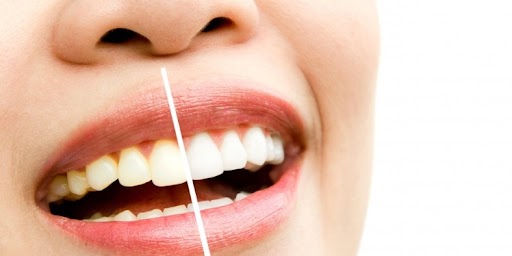
A brighter smile is one of the most requested cosmetic dental treatments in the United States. From over-the-counter whitening strips to professional in-office bleaching, patients have more options than ever. But one common question remains: Is teeth whitening safe?
If you are considering whitening your teeth, it’s important to understand how it works, who it’s best for, potential side effects, and how to do it safely. This guide will walk you through everything you need to know so you can make an informed decision about your oral health.
How Does Teeth Whitening Work?
Teeth whitening works by using peroxide-based agents, typically hydrogen peroxide or carbamide peroxide, to break down stains on the surface and within the enamel. These whitening agents release oxygen molecules that penetrate the enamel and dentin layers, lightening discoloration.
There are two main types of stains:
- Extrinsic stains: Surface stains caused by coffee, tea, red wine, tobacco, and certain foods.
- Intrinsic stains: Deeper discoloration caused by aging, trauma, medications (like tetracycline), or excessive fluoride exposure.
Professional teeth whitening treatments are designed to safely and effectively treat both types, depending on the cause.
Is Teeth Whitening Safe?
Yes, teeth whitening is generally safe when performed under professional supervision or when products are used as directed.
The American Dental Association (ADA) considers peroxide-based whitening products safe for most patients when used properly. However, safety depends on several factors:
- Your overall oral health
- The concentration of the whitening agent
- The method used (in-office vs. at-home)
- Whether treatment is supervised by a dentist
Professional teeth whitening treatments are considered the safest option because they include:
- A comprehensive oral exam beforehand
- Customized application
- Protection of gums and soft tissues
- Controlled peroxide concentrations
- Monitoring for sensitivity or adverse reactions
Common Side Effects of Teeth Whitening
While whitening is safe for most people, mild and temporary side effects can occur.
1. Tooth Sensitivity
The most common side effect is temporary tooth sensitivity. This happens because peroxide temporarily opens the pores in enamel, exposing the dentin layer underneath.
Symptoms may include:
- Sensitivity to cold or hot foods
- Tingling sensation in teeth
- Mild discomfort after treatment
In most cases, sensitivity resolves within 24–48 hours.
2. Gum Irritation
If whitening gel comes into contact with gum tissue, it may cause mild irritation or a burning sensation. This is more common with over-the-counter products that are not customized to your mouth.
Professional whitening treatments use protective barriers to minimize gum irritation.
3. Uneven Results
Whitening does not work on:
- Dental crowns
- Veneers
- Bonding
- Fillings
If you have restorations, you may notice uneven color after whitening. A dentist can help you plan treatment accordingly.
Who Should Avoid Teeth Whitening?
Teeth whitening may not be suitable for everyone. You should consult a dentist before whitening if you have:
- Untreated cavities
- Gum disease
- Enamel erosion
- Severe tooth sensitivity
- Cracked teeth
- Extensive dental restorations
- Pregnancy or breastfeeding (as a precaution)
Children under 16 are typically not good candidates due to larger pulp chambers, which increase sensitivity risk.
A dental exam is essential before starting any whitening treatment to ensure your teeth and gums are healthy.
Professional Whitening vs. Over-the-Counter Products
Many patients wonder whether store-bought products are safe compared to professional teeth whitening.
Over-the-Counter Whitening
Common options include:
- Whitening strips
- Whitening toothpaste
- Whitening trays
- LED whitening kits
While generally safe when used as directed, these products:
- Have lower peroxide concentrations
- Are not customized to your mouth
- May cause uneven whitening
Increase risk of gum irritation
Professional In-Office Whitening
Professional whitening offers:
- Stronger but controlled whitening agents
- Immediate, noticeable results
- Protection for gums and lips
- Reduced risk of complications
- Personalized treatment planning
From a safety and effectiveness standpoint, professional whitening provides more predictable and monitored outcomes.
Is Teeth Whitening Damaging to Enamel?
This is one of the most common myths about whitening.
When done correctly, teeth whitening does not permanently damage enamel.
Research shows that peroxide-based whitening temporarily softens enamel during treatment, but saliva naturally remineralizes teeth within hours. Professional-grade products are formulated to minimize enamel changes.
However, excessive or improper use, such as frequent whitening without guidance can contribute to:
- Increased sensitivity
- Enamel irritation
- Gum inflammation
Following professional recommendations prevents these issues.
How Long Do Whitening Results Last?
Results vary depending on your habits and oral hygiene.
On average:
- Professional whitening results can last 6 months to 3 years.
- Touch-ups may be needed periodically.
To maintain results:
- Avoid tobacco products
- Limit coffee, tea, and red wine
Practice good oral hygiene - Schedule regular dental cleanings
- Consider occasional professional touch-ups
Tips for Whitening Safely
If you are considering whitening your teeth, follow these safety tips:
- Schedule a dental exam first.
- Treat any cavities or gum disease beforehand.
- Follow instructions carefully if using at-home products.
- Avoid overuse of whitening products.
- Use desensitizing toothpaste if needed.
- Report prolonged sensitivity to your dentist.
Safety starts with proper diagnosis and professional guidance.
Frequently Asked Questions (FAQs)
Is teeth whitening safe for sensitive teeth?
Yes, but patients with sensitive teeth may need customized treatment. Dentists can use lower peroxide concentrations or provide desensitizing treatments to minimize discomfort.
Can teeth whitening cause permanent damage?
When performed correctly, teeth whitening does not cause permanent damage to enamel. Overuse or misuse of whitening products can increase sensitivity or gum irritation.
How often can I whiten my teeth safely?
Professional whitening is typically recommended once a year or as advised by your dentist. Over-the-counter products should only be used as directed.
Does whitening work on crowns or veneers?
No. Whitening agents do not change the color of crowns, veneers, bonding, or fillings. If you have restorations, consult your dentist about cosmetic options.
Is professional teeth whitening better than at-home kits?
Professional whitening is generally safer and more effective because it is supervised by a dental professional and customized to your needs.
Can I whiten my teeth if I have gum disease?
Whitening should be postponed until gum disease is treated. Healthy gums are essential for safe cosmetic dental procedures.
The Bottom Line: Is Teeth Whitening Safe?
Teeth whitening is a safe and effective cosmetic dental treatment when performed under professional supervision or used responsibly at home. The key to safety lies in proper diagnosis, customized treatment planning, and avoiding overuse.
While minor side effects like temporary sensitivity can occur, serious complications are rare when whitening is done correctly. If you are unsure whether whitening is right for you, the best first step is a dental evaluation.
If you are considering professional teeth whitening in Spring, TX, the experienced dental team at Smile1 Dental Spring can evaluate your oral health, discuss your goals, and help you achieve a brighter, healthier-looking smile safely.
A confident smile starts with informed decisions and now you know what to expect.