
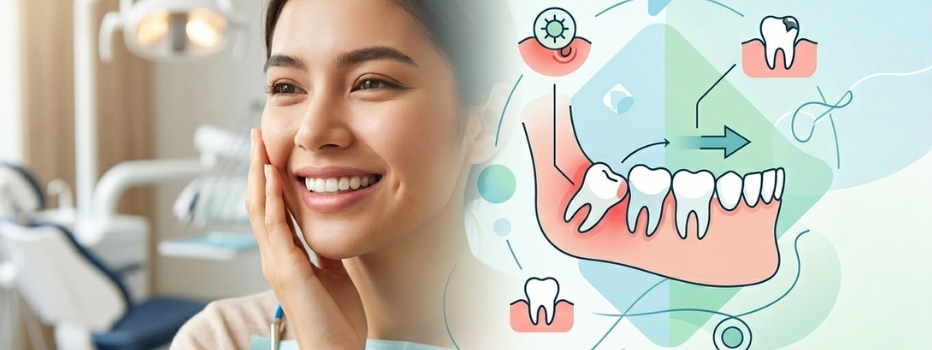
Wisdom Teeth Removal is one of the most commonly recommended dental procedures, especially for young adults experiencing discomfort or complications from their third molars. While not everyone needs to have their wisdom teeth removed, dentists often advise extraction when these teeth pose a risk to oral health. Understanding the reasons behind this recommendation can help you make informed decisions and avoid long-term dental problems.
What Are Wisdom Teeth and Why Do They Cause Problems?
Wisdom teeth, also known as third molars, are the last set of teeth to emerge, typically between the ages of 17 and 25. Due to limited space in the jaw, these teeth often grow at odd angles, become impacted, or fail to erupt properly.
When wisdom teeth do not align correctly, they can lead to pain, swelling, and infection. In many cases, early evaluation and timely Wisdom Tooth Treatment can prevent more serious complications.
Top Reasons Dentists Recommend Wisdom Teeth Removal
1. Impacted Wisdom Teeth
One of the most common reasons for Teeth Extractions is impaction. Impacted wisdom teeth are trapped beneath the gum line or in the jawbone, which can lead to:
- Severe pain
- Swelling and inflammation
- Infection or abscess formation
If left untreated, impacted teeth can damage surrounding tissues and even affect nearby healthy teeth.
2. Overcrowding and Misalignment
When there is not enough space in the mouth, wisdom teeth can push against adjacent teeth, causing misalignment. This is especially concerning for individuals who have undergone orthodontic treatment.
Dentists often recommend third molar removal to preserve the alignment of your smile and prevent the need for corrective procedures in the future.
3. Increased Risk of Infection
Partially erupted wisdom teeth create small openings in the gums where bacteria can easily accumulate. This can lead to infections such as pericoronitis, which causes:
- Red, swollen gums
- Difficulty opening the mouth
- Persistent bad breath
Proper Wisdom Tooth Treatment at the right time can eliminate these risks and maintain oral hygiene.
4. Tooth Decay and Gum Disease
Wisdom teeth are located at the back of the mouth, making them difficult to clean properly. As a result, they are more prone to cavities and gum disease.
Untreated decay in wisdom teeth can spread to adjacent teeth, leading to more extensive dental issues. Preventive Teeth Extractions are often recommended to avoid such complications.
5. Damage to Nearby Teeth
When wisdom teeth grow at an angle, they can press against neighboring molars. This pressure can cause:
- Enamel damage
- Root resorption
- Increased sensitivity
Removing problematic wisdom teeth early helps protect the integrity of surrounding teeth.
6. Development of Cysts or Tumors
In rare cases, impacted wisdom teeth can lead to the formation of cysts or benign tumors in the jawbone. These growths can damage bone structure and surrounding teeth if not treated promptly.
Dentists may recommend third molar removal as a preventive measure to avoid such serious complications.
7. Chronic Pain and Discomfort
Persistent pain in the back of the mouth is often a sign that wisdom teeth are causing issues. This discomfort may radiate to the jaw, ear, or head, affecting daily activities.
Early Wisdom Tooth Treatment can relieve pain and improve overall quality of life.
When Is the Best Time for Wisdom Teeth Removal?
Dentists often recommend removing wisdom teeth during late teens or early twenties. At this stage:
- The roots are not fully developed
- The jawbone is less dense
- Healing is faster and smoother
Early evaluation through dental X-rays allows professionals to determine whether Wisdom Teeth Removal is necessary before complications arise.
What to Expect During the Procedure
Wisdom teeth extraction is a routine procedure performed under local anesthesia, sedation, or general anesthesia, depending on the case.
The process typically involves:
- Making a small incision in the gum
- Removing the tooth or dividing it into sections
- Cleaning the area and placing stitches if needed
Post-procedure care is essential for proper healing and includes rest, proper oral hygiene, and following your dentist’s instructions.
Recovery and Aftercare Tips
Recovery from Teeth Extractions usually takes a few days to a week. Here are some helpful tips:
- Apply ice packs to reduce swelling
- Eat soft foods like yogurt and mashed potatoes
- Avoid smoking and using straws
- Maintain gentle oral hygiene
Following these guidelines can help prevent complications such as dry socket and promote faster healing.
Additional Benefits of Wisdom Teeth Removal
Apart from preventing dental problems, removing wisdom teeth offers several long-term benefits:
- Improved oral hygiene
- Reduced risk of infection
- Prevention of future dental costs
- Better overall dental alignment
These advantages make third molar removal a proactive step toward maintaining oral health.
FAQs About Wisdom Teeth Removal
Is Wisdom Teeth Removal always necessary?
No, not everyone needs it. Dentists recommend removal only when there is a risk of complications such as impaction, infection, or crowding.
Is the procedure painful?
The procedure itself is not painful due to anesthesia. Mild discomfort may occur during recovery, but can be managed with medication.
How long does recovery take?
Most people recover within 3 to 7 days, although complete healing may take a few weeks.
What happens if I delay removal?
Delaying Wisdom Tooth Treatment can lead to infections, damage to nearby teeth, and more complex procedures later.
Can I go back to work after the procedure?
It is recommended to rest for at least 24 to 48 hours before resuming normal activities.
Wisdom teeth can be a source of significant dental issues if not managed properly. From impaction and infection to overcrowding and long-term damage, there are several reasons why dentists recommend timely removal. Understanding these factors allows you to take a proactive approach to your oral health.
If you are experiencing discomfort or have been advised by your dentist to consider seeking professional care for wisdom tooth removal in Spring, TX. Early intervention can prevent complications, ensure a smoother recovery, and help you maintain a healthy, confident smile for years to come.